Subscribe & Save 5% now + get Free Ground Beef with every order over $149 Learn more HERE

Braising Basics

written by

Erin Schnabel

posted on

August 26, 2023

Braising is one of my favorite ways to turn otherwise tough cuts of meat into fork-tender, mouth-watering meals. The process is simple with specific steps. Searing builds the foundation of flavor. Moist heat and time transforms tough connective tissue into gelatin, which is the gold that makes your finishing sauce. The meat and sauce maintain their own flavor, but almost “melt” into each other. Sort of sounds romantic, even ;-)  

Great cuts for braising and approximate times:

Beef chuck roasts (4hrs)

Short ribs (4hrs)

Shanks (4-6hrs)

Pork roasts (2-4hrs)

Coppa steaks (1-2hrs)

Pork Hocks (4-6hrs)

Spare ribs (2-4hrs)

Country ribs (1-2hrs)

 Every recipe may vary, but the basics are the same.

1.  After fully thawing the meat, dry it well and season generously. Dry meat will sear better, which means you will have a strong foundation of flavor.

2.  Sear in the pot you will be using for braising with a small amount of oil. Cast iron dutch ovens are great for this.
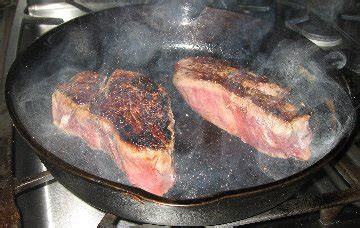
3.  Once the meat is thoroughly seared, Remove it and add chopped vegetables and/or mushrooms. Vegetables such as carrots, potatoes, onion, celery, cabbage, turnips, beans, and garlic work well. Fruit like apples and pears are delicious with braised pork.

4.  After the vegetables and spices are browned, add a small amount of braising liquid (broth, wine, beer, tomato sauce, orange juice, coconut milk, etc.) to deglaze the pot and then bring to a boil. Be sure to scrape the bottom to loosen up all the tasty morsels. Taste your liquid and adjust the spices and salt (not too much as you will end up with an over salted sauce after reducing the liquid at the last step.)

5.  Return the meat and veggies to the pot and add braising liquid to cover the meat ž of the way. Be sure to not fully cover the meat with the braising liquid.  

6.  Braise in a 325degree oven until the meat easily pulls apart with a fork.

Some cuts will take longer than others based on the amount of connective tissue to be broken down into gelatin. A coppa steak will be done in less than two hours while a pork hock will take at least four hours. When the appropriate time has passed and the meat is tender, remove everything from the dutch oven except the liquid. Now is the time to add a little acid to create a more balanced tasting sauce. A splash of tomato juice, apple cider vinegar, wine or squeeze of lemon work beautifully. Reduce (boil until thick) your leftover braising liquid by half. This is your amazing sauce.

We like to serve our braised meat with something that can soak up the sauce and compliment the meat. Creamy polenta, mashed potatoes, smashed root vegetables, quinoa and rice are all common in our house.

I hope you all enjoy experimenting with braising different meats, vegetables and spices to create wonderful meals and memories. Have fun in the kitchen! Good food lovingly prepared nourishes our bodies and feeds our souls.

More from the blog

Driving Deeper: Regenerative Farming Below the Soil

Regenerative Farming Starts Underground People often ask what I’m most passionate about when it comes to farming. The answer surprises them. It’s not cattle genetics. It’s not the business. It’s not even livestock management I love all of these aspects of what we do, but my deepest passion is soil food web biology. Because that’s where regenerative farming actually begins. It's the foundation from which everything else is built.  If the biology in the soil is broken, nothing above ground will truly thrive. You can put animals on pasture, rotate them beautifully, and use all the right buzzwords—but if the living system underground isn’t functioning properly, the whole thing is mostly optics. Real regenerative agriculture starts with the biological economy inside the soil. This only exists in healthy, well managed land. Microbes are eating, or being eaten. When this cycle is functioning well, the plant's ability to create more energy from photosynthesis put on turbo-charge!  The Soil Economy The easiest way to understand soil biology is through economics. Think of soil like a functioning marketplace. Plants are the primary investors. Through photosynthesis, they convert sunlight into sugars. A large portion of those sugars—sometimes 20–40% of what the plant produces—is released into the soil through the roots. Those sugars are the currency of the soil economy. They feed bacteria and fungi living around the roots. In return, those microbes perform services the plant cannot do alone. They mine nutrients from minerals, break down organic matter, and transport nutrients and water through microscopic fungal networks. But the economy doesn’t stop there. Protozoa and beneficial nematodes graze on those microbes. When they consume bacteria and fungi, they release nutrients—especially nitrogen—in plant-available forms right where the plant needs them - when the plant needs them. This constant cycle of investment, trade, and consumption is what scientists call the soil food web. And when that biological economy is functioning well, plants gain access to a much broader spectrum of nutrients than they could ever pull from soil on their own. The Difference Between Slogans and Proof There’s a lot of talk about regenerative farming right now. Pasture photos. Buzzwords. Marketing slogans. But real regenerative agriculture requires something more. Measurement. On our farm, we don’t just put cattle and chickens out on pasture and assume everything is working the way it should. We monitor the biology underground. That means taking soil samples and putting them under a microscope to look directly at the organisms that drive the soil food web—bacteria, fungi, protozoa, and other microscopic life. It’s the difference between guessing and knowing. When you can actually see the biological community in the soil, you can tell whether the ecosystem is functioning or whether something is missing. That crosses the line from marketing language into hard biological evidence. Bulk DNA Analysis has been performed on the biological extracts we are applying to our land. This is hard proof confirmation that we are effectively inoculating our soils with tens of thousands of different species of microbes Healing Relationships with Land and Animals Our farm’s mission is simple: “As farmers, we seek to heal our relationships with land and animals. We share this healing with our patrons through the food it produces.” That healing begins with this soil food web economy. When the soil food web is functioning properly, nutrients cycle efficiently. Plants grow stronger. Pastures become more resilient to drought and stress. Animals grazing those pastures receive a more complete nutritional profile from the plants they consume. The result is healthier animals and more resilient land. And the food produced from that system? That’s the byproduct. That's why "we share this healing with our patrons through the food it produces" is the second part of our mission.  When soil biology improves, nutrient density often follows because the plants—and the animals eating those plants—are operating within a healthier biological system. This is a soil sample under a microscope at 400X. The long strand is a fungal strand known as hypha. The bacteria are smaller, round, somewhat translucent. We actually review samples of our soil to be sure the correct micro organisms are present in the right ratios to ensure the soil food web is functioning properly.  Raising the Bar on Regenerative Farming The word “regenerative” is being thrown around a lot these days. Sometimes it’s used meaningfully. Oftentimes,  it’s used as a slogan. I’m committed to something deeper. For regenerative agriculture to mean anything, it has to be grounded in biological function, not just good intentions. That’s why this year I’ve made a decision that reflects where our priorities truly are. I've set in motion a plan to reinvest the majority of profits this season into a comprehensive soil improvement program spanning more than 400 acres of land under our management. This includes detailed biological soil analysis, targeted strategies to strengthen the soil food web, and management practices designed to support the long-term health of the entire ecosystem. When the biological economy underground is functioning well, everything above ground explodes with productivity and resilience. The Foundation of Everything We Produce At the end of the day, regenerative farming isn’t defined by labels. It’s defined by whether the land is actually getting healthier. Whether the soil biology is becoming more diverse. Whether the ecosystem is becoming more resilient year after year. That’s the work I’m committed to. That's where I'm directing the majority of our investment this season.  It's not flashy, fancy or romantic -- but it's where regenerative farming truly begins and ends.  Driving deeper - that's where I'll be. ☀️ Dustin